
Lagos, Nigeria Amid Nigeria’s escalating housing affordability crisis, real estate expert Sam Eboigbe has issued a stark warning: economic instability and the volatile exchange rate is not only crippling the sector but also putting lives at risk as builders turn to substandard materials to cut costs.
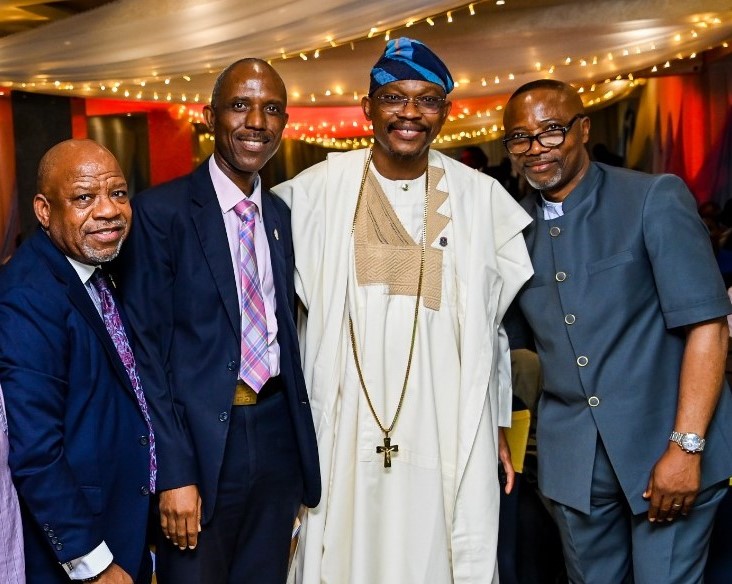
Eboigbe, a former chairman of the Nigerian Institution of Estate Surveyors and Valuers (NIESV), raised the alarm during a lecture marking his 60th birthday in Lagos, attended by industry leaders including FIABCI Africa President Adeniji Adele and NIESV President Victor Alonge. He emphasized that the naira’s free fall now at ₦1,600 per dollar has forced developers to compromise construction quality, heightening risks of building collapses in a country already plagued by such tragedies.
“Families desperate for housing are unknowingly moving into homes built with inferior products,” Eboigbe stated. “Developers who once imported Italian tiles or Spanish fittings now resort to cheaper, unsafe alternatives. This isn’t just about profit margins it’s a public safety emergency.”
The crisis, he noted, is exacerbating Nigeria’s 28-million-unit housing deficit. Inflation has caused construction costs to triple since 2022, leaving half-completed towers abandoned across major cities. Eboigbe cited a Lagos high-rise project abandoned in 2024 after cement prices spiked 400%, leaving 200 prospective buyers stranded.
While the economist criticized government inaction on curbing inflation, he also admonished industry professionals to resist unethical shortcuts. “Cutting corners to save costs will erode public trust permanently,” he warned, urging stricter adherence to standards despite financial pressures.
Climate change further complicates the sector’s challenges. Eboigbe highlighted how delayed responses to flooding in Delta State and coastal erosion in Lagos have wiped out entire housing estates. “Developers can’t plan when environmental policies exist only on paper,” he said.
The event doubled as a call to action, with NIESV leadership pledging to audit ongoing projects for compliance with safety standards. However, for millions of Nigerians facing homelessness or unsafe housing, solutions remain as precarious as the buildings they inhabit.
3 Comments